
What cruise visitors usually miss in Kristiansand
Most cruise visitors arrive in Kristiansand with no expectations, which turns out to be a useful starting point.
The earlier ports on a Norwegian cruise — Bergen, the fjords, Lofoten if you've gone far enough north — come pre-loaded with images. Mountains. Waterfalls. Long fjord walls in the rain. By the time the ship reaches Kristiansand, often on the way home or as a final stop, most passengers have stopped expecting drama.
That's exactly when Kristiansand quietly lands.
This is a city of around 115,000 people. It's the largest in southern Norway, but it doesn't feel large. The grid of the old town was laid out by King Christian IV in 1641, and the streets still follow that grid. You can walk most of it in an afternoon. The people who live here in summer come back from somewhere — many spent their childhood summers on family cabins on islands you've probably never heard of — and that gives the place a strange, double quality. It's a working city, and it's also a place people return to.
What follows is a list of things most cruise visitors won't see, even if they take a ship excursion. Some of them are easy to find on your own. Others are harder, and require either local knowledge or local contacts. We'll be honest about which is which.
The archipelago beyond the obvious points
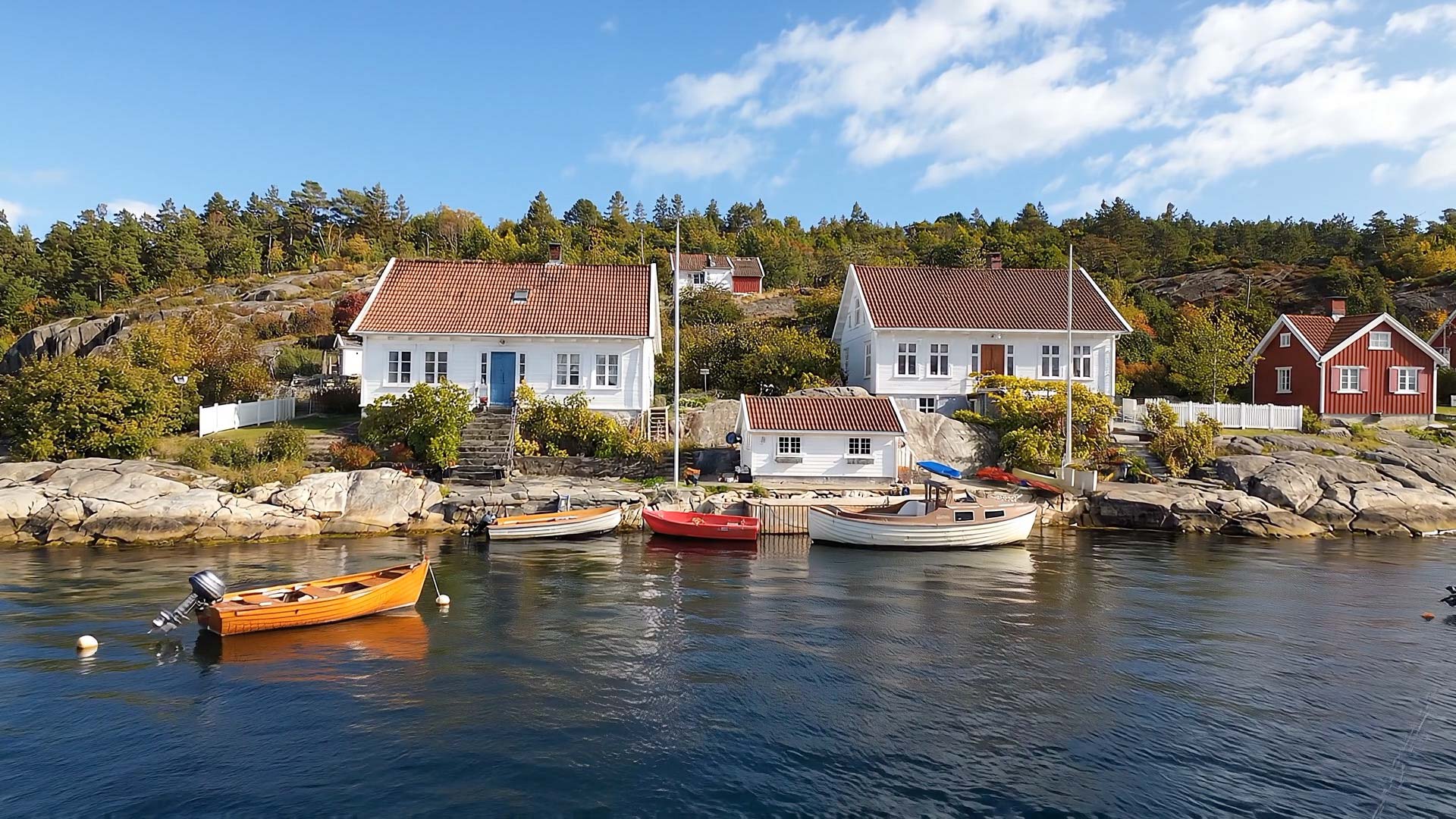
Most ship excursions stay within sight of the mainland. The interesting part of the Sørlandet archipelago is further out. Bragdøya, the small islands around Flekkerøy, the channels behind Ny-Hellesund — this is where the light changes, where the small wooden boathouses lean toward the water, where you start to understand that this coastline has a different character than anywhere else in Norway.
You won't get there on a bus.
Posebyen on a Sunday morning
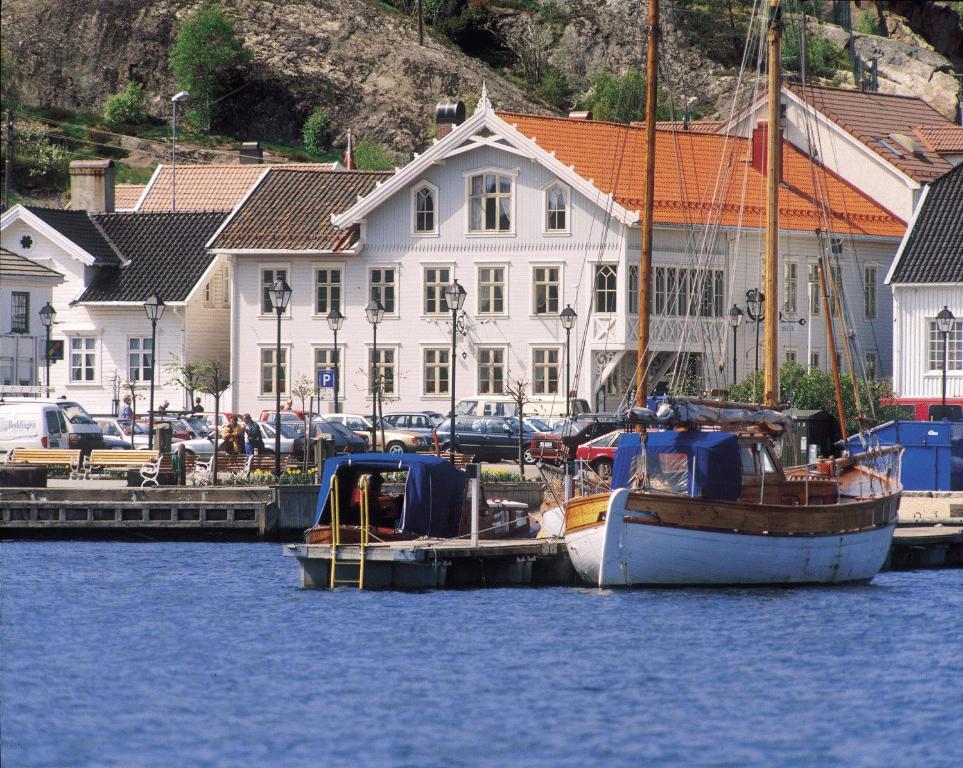
Posebyen is the old wooden quarter of Kristiansand. Most guidebooks mention it. What they rarely mention is that it's at its best on Sunday mornings before ten, when the streets are empty and you can hear your own footsteps. If your ship arrives on a Sunday, this is the place to be at half past eight. By eleven, the cafés are full and it loses some of the quiet.
A coffee, not a tour
Norwegian coffee culture is real, and underappreciated. A long coffee at one of the small cafés near Markens gate — sitting outside if the weather allows — is, in itself, a cultural experience. You'll see who lives here. You'll hear the language. You'll watch the way Norwegians inhabit a public space, which is differently than Americans or Italians do, and worth observing.
Lillesand, half an hour east
Lillesand is a small town along the coast east of Kristiansand. It's where wealthy Norwegians from Oslo had summer houses for generations. The white wooden buildings, the harbour, the slow movement of small boats — Lillesand is closer to a stage set than a town, and yet people actually live there. It's worth the half-hour drive if you have someone driving.
The food you didn't know was here
Sørlandet has a fishing tradition that pre-dates anything tourist-facing. Smoked mackerel, fresh prawns, the bread of small bakeries that don't have Instagram accounts — these are the things visitors take home with them, mentally, long after they've forgotten the name of the cathedral. We try to build at least one such meal into every day we run.
What needs a guide, and what doesn't
To be honest: you can do Posebyen, the cathedral, and a coffee on Markens on your own. You can walk to Christiansholm Fortress in fifteen minutes. None of that needs a guide.
What does need a guide — or at least someone with a boat and local knowledge — is the archipelago, the smaller harbours, the food traditions, and the timing. Six hours is enough for a real day in Kristiansand only if you're not figuring it out as you go.
That's our role. The version of Kristiansand we show our guests is the version we'd show a close friend visiting for one day. We've been doing it for years, and we keep refining it. If you'd like to see the city that way — write us.
→ Plan your day